Alphabet Clipart: A Strategic Evaluation for Luxury Branding and Editorial Design
In the competitive landscape of visual communication, typography serves as more than just a vehicle for text; it is the primary carrier of brand identity. For designers, art directors, and business owners aged 20 to 50 who are currently evaluating resources for high-end projects, the search often leads to typefaces that balance distinctiveness with legibility. Alphabet Clipart has emerged as a compelling option in this sector, offering a specific aesthetic profile that targets luxury markets. This article provides an objective analysis of what makes this font unique, how it compares to standard script alternatives, and the strategic tradeoffs involved in selecting it for your next campaign.
Defining the Aesthetic: Ultra-Thin Elegance and Verticality
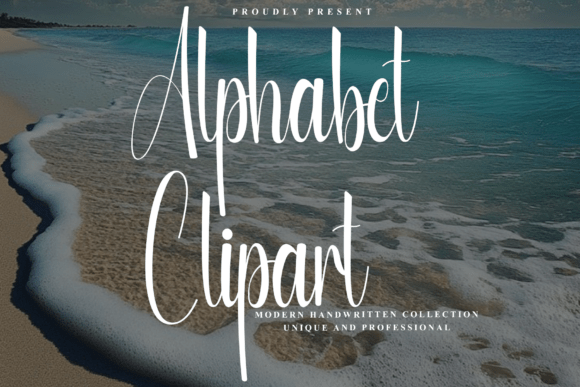
To understand where Alphabet Clipart fits within the broader design ecosystem, one must first analyze its structural characteristics. Unlike traditional serif or sans-serif fonts that prioritize uniform weight and stability, this typeface is defined by its ultra-thin, elongated letterforms. These geometric choices create an immediate sense of airiness and sophistication. The verticality of the strokes is not merely a stylistic flourish but a functional element that draws the eye upward, suggesting height and exclusivity.
The font's high-contrast nature is another defining feature. The sharp difference between the thinnest hairlines and the slightly thicker downstrokes mimics the stroke variation found in calligraphy, yet it maintains the precision of digital vector graphics. This creates a refined signature look that feels both trendy and timeless. When you incorporate Alphabet Clipart into a layout, the delicate swashes add a layer of organic movement without sacrificing the clean lines required for modern branding. It is a typeface that speaks with quiet confidence, avoiding the loudness of heavy display fonts in favor of professional grace.
Distinctive Features for High-Fashion Contexts
The specific design intent behind Alphabet Clipart is evident in its application. It is engineered for environments where space is at a premium and impact must be subtle. The elongated forms allow for vertical stacking of text, which is particularly useful in photography watermarks where the goal is to assert ownership without obscuring the image. In editorial layouts, the airy feel prevents the text from competing too aggressively with photographs, allowing the imagery to remain the focal point while the typography frames the narrative with elegance.
Comparative Analysis: Script Fonts vs. Geometric Alternatives
When researching typography options, professionals often face a dichotomy between fluid scripts and structured geometric fonts. Alphabet Clipart occupies a unique middle ground, blending the fluidity of a script with the structural integrity of a geometric typeface. Understanding this distinction is crucial for making an informed decision.
- Traditional Calligraphic Scripts: Many standard script fonts aim to replicate the look of handwriting with a pen. While beautiful, they can sometimes appear inconsistent or overly decorative, which may clash with minimalist luxury aesthetics. Alphabet Clipart avoids this pitfall by maintaining a consistent baseline and rhythm, ensuring readability even at smaller sizes.
- Standard Sans-Serif Fonts: Clean sans-serifs like Helvetica or Futura offer neutrality but lack the emotional resonance required for luxury branding. They communicate efficiency rather than elegance. Using Alphabet Clipart allows a brand to retain a modern, streamlined look while injecting a necessary element of sophistication that standard fonts cannot provide.
- Heavy Display Fonts: Bold, thick fonts command attention but often lack subtlety. For campaigns requiring "quiet confidence," heavy weights can feel overpowering. The thin strokes of Alphabet Clipart provide a counterbalance, offering a presence that is felt rather than shouted.
This comparison highlights that Alphabet Clipart is not a direct replacement for every typographic need. Instead, it is a specialized tool designed for specific scenarios where the visual language must convey status and refinement. If your project requires a friendly, approachable tone, a rounded sans-serif might be a better fit. However, if the goal is to evoke a coastal breeze of freshness mixed with high-fashion authority, the unique verticality of this font becomes the superior choice.
Strategic Applications and Best-Fit Scenarios
Determining whether to invest time and resources in integrating Alphabet Clipart depends heavily on the intended use case. The font excels in contexts where the audience expects a premium experience. Below are specific scenarios where this typeface demonstrates its strengths.
Luxury Branding and Identity Systems
For businesses operating in the luxury sector—such as high-end jewelry, bespoke fashion, or exclusive hospitality—the visual identity must signal quality immediately. The delicate swashes and high-contrast verticality of Alphabet Clipart create a logo mark that feels custom-made and expensive. It avoids the generic look of stock templates, providing a distinctive signature that helps a brand stand out in crowded marketplaces.
Photography Watermarks and Portfolios
Professional photographers often struggle to find watermarks that protect their work without ruining the composition. Thick text blocks obscure details, while simple sans-serifs can look amateurish. Alphabet Clipart solves this dilemma. Its ultra-thin lines integrate seamlessly over complex backgrounds, asserting copyright with a level of style that complements the artistic merit of the photograph. The elongated forms allow for vertical placement along the edge of an image, preserving the aspect ratio and visual flow.
Editorial Layouts and Advertisements
In magazine spreads and high-fashion advertisements, typography often plays a supporting role to the imagery. The airy sophistication of Alphabet Clipart ensures that headlines and captions do not clutter the page. Instead, they act as elegant borders or accents that guide the reader's eye through the content. This is particularly effective in print media where ink density and paper texture play a significant role in the final perception of quality.
Evaluating Tradeoffs and Limitations
While Alphabet Clipart offers distinct advantages, a balanced evaluation requires acknowledging its limitations. No single typeface is a universal solution, and understanding where it falls short is essential for successful implementation.
Legibility at Small Sizes: The ultra-thin strokes that give the font its elegance can become problematic when scaled down. On low-resolution screens or small mobile devices, the fine lines may disappear or break up, leading to a loss of detail. In these instances, a font with slightly more weight or a simpler structure might be more practical. Designers must carefully test Alphabet Clipart across various output formats to ensure clarity.
Tone Appropriateness: The sophisticated, somewhat formal nature of the font may not suit all brands. For companies aiming for a rugged, industrial, or playful persona, the delicate swashes could feel out of place or pretentious. The "coastal breeze" feeling described in its design is specific; it evokes relaxation and luxury, not grit or energy. Choosing this font for a construction company or a fast-food chain would likely result in a mismatched brand voice.
Accessibility Considerations: High-contrast fonts can sometimes present challenges for users with visual impairments. The extreme thinness of the letters reduces contrast against light backgrounds, potentially affecting readability for those with low vision. When designing for inclusive audiences, it is crucial to pair Alphabet Clipart with body text that uses a highly legible, neutral font to maintain accessibility standards.
Making the Decision: A Framework for Selection
Ultimately, the decision to use Alphabet Clipart should be driven by the specific goals of your project and the expectations of your target audience. If you are comparing options, consider the following factors:
- Brand Alignment: Does your brand value exclusivity and refinement? If yes, this font aligns well with those values.
- Medium of Delivery: Will the design primarily appear on large-format prints, high-resolution digital displays, or social media? For larger formats, the font shines. For very small icons or thumbnails, reconsideration may be needed.
- Complementary Typography: How will this font interact with other typefaces in your system? Alphabet Clipart works best when paired with simple, unobtrusive body text that lets the script take center stage.
- Emotional Resonance: What feeling do you want to evoke? If the goal is to make the viewer feel relaxed, elevated, and impressed by a sense of quiet luxury, this font delivers. If the goal is urgency or friendliness, other options may serve better.
By weighing these factors, designers can move beyond surface-level aesthetics and make strategic choices that enhance their overall communication strategy. Alphabet Clipart is a powerful asset for those seeking a font that combines the trendiness of modern design with the timeless appeal of classic luxury. It is not merely a collection of letters but a statement of intent—a declaration that the content it presents is worthy of careful consideration and appreciation.
For professionals ready to elevate their visual storytelling, exploring the nuances of this typeface can lead to breakthrough designs. Whether used for a new luxury label, a portfolio watermark, or an editorial spread, the fresh, airy character of Alphabet Clipart offers a versatile foundation for creating memorable and sophisticated visual experiences.