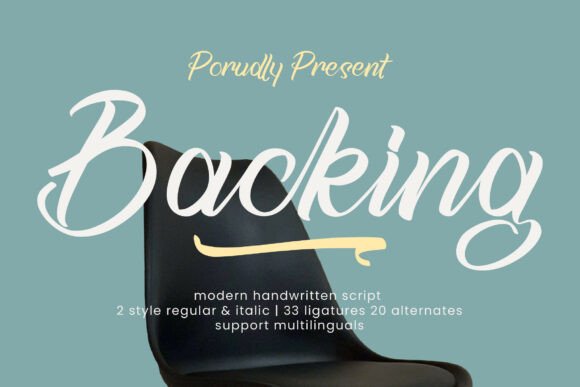
Backing Font Evaluation: A Modern Script for Professional Design
In the competitive landscape of graphic design, selecting the right typography is often the difference between a project that feels generic and one that commands attention. Backing is an exquisite, modern script typeface developed by Operatype. It distinguishes itself through a stylish contemporary handwriting style that balances sophistication with opulence. For designers evaluating typefaces for branding, packaging, or editorial work, understanding the specific capabilities and limitations of Backing is essential before making a final selection.
Defining the Typeface: Characteristics and Style
Backing is not merely a decorative font; it is a functional tool designed to mimic the fluidity of high-end calligraphy while maintaining the structural integrity required for digital and print applications. The typeface features beautiful strokes that create a natural flow, making it ideal for projects requiring a touch of class without appearing overly ornate or archaic. Its design philosophy centers on a seamless blend of modern aesthetics and traditional elegance.
Unlike rigid serif or sans-serif fonts, Backing offers organic variation in its letterforms. This characteristic makes it particularly effective for creating memorable visual identities where personality is paramount. However, users must understand that this stylistic choice comes with specific constraints regarding legibility at small sizes or in dense blocks of text.
Primary Use Cases and Applications
The versatility of Backing allows it to be applied across a wide spectrum of design disciplines. When evaluating whether this font aligns with your project goals, consider the following scenarios where it excels:
- Branding and Logos: The font's premium edge makes it a natural choice for logo design, particularly for luxury brands, boutique shops, or lifestyle businesses seeking a personalized feel.
- Packaging and Labels: For product packaging, homeware motifs, and labels, the elegant strokes of Backing can elevate the perceived value of a product, suggesting quality and craftsmanship.
- Print Media: Book covers, business cards, invitations, and greeting cards benefit significantly from the font's ability to add a handwritten touch that feels intimate yet professional.
- Merchandise and Apparel: T-shirt designs often require typography that stands out without sacrificing readability. Backing provides a unique aesthetic that works well for statement pieces.
- Digital Assets: From posters to website headers, the font supports web formats, allowing designers to maintain consistency across platforms.
Technical Specifications and Compatibility
One of the most practical considerations for any designer is the technical implementation of a typeface. Backing offers robust support for various operating systems and software environments, ensuring a smooth workflow regardless of the user's hardware setup.
The font is available in multiple file formats, including OTF (OpenType), TTF (TrueType), and WOFF (Web Open Font Format). This variety ensures compatibility with both PC and Mac environments. Furthermore, the inclusion of ligatures, alternate letters, and swashes provides designers with the flexibility to customize the appearance of the text, adding a layer of uniqueness to their work.
Installation is straightforward, and once integrated into the system, Backing interacts seamlessly with industry-standard software such as Adobe Illustrator, Adobe Photoshop, and Adobe InDesign. Even users relying on Microsoft Word will find the font easy to utilize for document creation. Additionally, the font is PUA (Private Use Area) Encoded, granting full access to all glyphs and special characters, which is crucial for complex multilingual projects or custom iconography.
Evaluating Benefits and Tradeoffs
While Backing presents many advantages, a balanced evaluation requires acknowledging potential tradeoffs. Understanding these factors helps designers determine if the font fits their specific needs.
Key Benefits
- Versatility: The ability to use the font for everything from watermarks to large-scale posters makes it a cost-effective addition to a design library.
- Aesthetic Appeal: The sophisticated style adds immediate visual interest, reducing the need for excessive graphical embellishments.
- Ease of Use: High compatibility with major design tools minimizes technical friction during the creative process.
Considerations and Limitations
The primary limitation of any script typeface like Backing is legibility in extended text blocks. Because the letters are connected and stylized, reading long paragraphs can become fatiguing for the viewer. Therefore, Backing should generally be reserved for headlines, titles, short quotes, or accent text rather than body copy.
Additionally, while the font supports a wide range of characters, designers working on highly specialized typographic projects may find that the character set, though extensive, does not cover every possible language requirement. Always verify the specific language support needed for your target audience before committing to the font.
Situational Fit: When to Choose Backing vs. Alternatives
To make an informed decision, designers must compare Backing against other available options based on the project's specific objectives.
When Backing is the Strong Fit: If the goal is to convey elegance, personalization, or a "hand-crafted" feel, Backing is an excellent choice. It is particularly effective for events, weddings, luxury goods, and artistic portfolios where the visual tone is more important than pure informational density.
When Alternatives May Be Worth Considering: If the project requires high readability for technical documentation, legal contracts, or mobile interfaces with limited screen real estate, a clean sans-serif or a neutral serif might be more appropriate. Similarly, if the brand identity demands a strict, geometric, or industrial look, the organic nature of Backing may clash with the desired aesthetic.
Practical Decision-Making Insights
Before downloading and integrating Backing into a project, consider the following checklist to ensure alignment with your goals:
- Define the Tone: Does the project require a formal, authoritative voice, or a warm, inviting one? Backing leans toward the latter.
- Check Readability Needs: Will the text appear in small sizes or long paragraphs? If so, test the font carefully to ensure it remains legible.
- Verify Technical Requirements: Ensure that the OTF/TTF/WOFF formats meet the delivery requirements of your client or platform.
- Assess Brand Consistency: Consider how Backing pairs with other typefaces in your existing brand guidelines. It often pairs well with simple, understated sans-serifs to balance its decorative nature.
Ultimately, Backing represents a valuable asset for designers looking to infuse their work with a sense of modern sophistication. Its ease of installation, broad software compatibility, and rich feature set make it a practical choice for a wide array of creative endeavors. By weighing its stylistic strengths against the specific demands of your project, you can determine if this typeface is the right tool to enhance your artistic vision.