Casting Font: A Comprehensive Evaluation for Bold Branding
In the landscape of digital and print design, selecting the right typeface is a critical decision that defines the visual identity of a project. Casting has emerged as a distinctive option within the calligraphy script category, specifically engineered to convey a sense of adventure and established confidence. This font is not merely a decorative element; it is a strategic tool designed to mimic the rhythm and authority of a professional signature while maintaining high legibility through its unique structural characteristics.
For designers, brand managers, and creative directors evaluating typography options, understanding the specific attributes of Casting is essential. It occupies a niche between traditional formal scripts and modern display fonts. This analysis explores the functional capabilities of Casting, the scenarios where it excels, and the considerations necessary before integrating it into a workflow.
Defining the Visual Identity of Casting
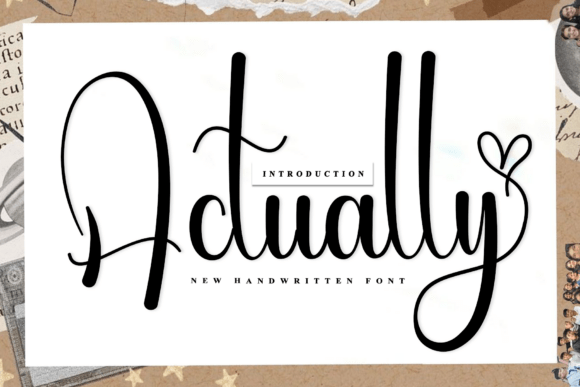
Casting is a high-contrast calligraphy script characterized by dramatic, sweeping swashes and an upright flow. Unlike casual handwriting fonts that often rely on irregularity to simulate organic movement, Casting maintains a rhythmic consistency. The design features sharp terminals and lyrical loops that create a visual staccato effect. This combination allows the text to feel both personal and authoritative.
The "high-contrast" nature of the font refers to the significant difference between thick downstrokes and thin upstrokes. This technique draws the eye along the path of the letterforms, creating a dynamic reading experience. When used in large sizes, such as headlines or logos, these contrasts become more pronounced, adding a layer of sophistication and drama. However, this same characteristic requires careful consideration when scaling the font down for smaller applications.
Strategic Applications and Use Cases
Designers often seek fonts that can communicate a specific narrative without the need for additional imagery. Casting is particularly effective in contexts where the goal is to evoke a spirit of exploration, legacy, or premium quality. The following sections outline the primary areas where this typeface aligns with project goals.
- Adventure and Outdoor Branding: The name itself suggests action. For outdoor gear companies, travel agencies, or expedition services, Casting captures the essence of rugged individualism. Its sweeping lines mimic the movement of wind or water, making it an ideal choice for campaign headers and product packaging that needs to stand out on a shelf.
- Cinematic Titles: In film and video production, titles must grab attention immediately. The dramatic swashes of Casting provide a theatrical flair suitable for movie posters, documentary intros, or title sequences. The font's ability to command space helps establish tone quickly, whether the project is a historical epic or a modern thriller.
- Professional Signatures: One of the most practical applications is for digital signatures or branding elements meant to represent an individual. Because the font mimics the confident flow of a handwritten signature, it adds a human touch to corporate communications, certificates, or official documents without sacrificing readability.
- Upscale Product Labels: Luxury goods often require typography that feels exclusive yet accessible. The lyrical loops and sharp terminals of Casting offer a balance of elegance and boldness. It works well on wine labels, artisanal food packaging, or high-end cosmetic bottles where the visual texture contributes to the perceived value of the product.
Evaluating Benefits and Tradeoffs
While Casting offers distinct advantages, no single typeface is universally perfect. A balanced evaluation requires looking at both the strengths and the limitations inherent in its design.
Key Benefits:
- Immediate Impact: The high contrast and sweeping strokes ensure the text is noticed from a distance. This makes it highly effective for display purposes where attention is the primary metric.
- Brand Personality: It injects a strong personality into a project. If a brand wants to be seen as adventurous, established, and personal, Casting delivers these traits instantly.
- Visual Rhythm: The consistent upright flow prevents the text from feeling chaotic, even with the added flourishes. This stability ensures that the message remains clear despite the decorative elements.
Potential Limitations:
- Readability at Small Sizes: The high-contrast details and sharp terminals can become difficult to resolve when the font size is reduced below a certain threshold. Fine details may blur or disappear in low-resolution environments.
- Overuse Risks: Because the font is so expressive, using it for body text can lead to visual fatigue. The "staccato" rhythm that works well for headlines can disrupt the smooth flow required for long-form reading.
- Context Sensitivity: The adventurous and bold nature of the font may clash with industries requiring a minimalist, sterile, or purely utilitarian aesthetic. It is less suitable for technical documentation or medical interfaces.
Decision-Making Framework for Designers
Selecting Casting should be a deliberate process based on the specific needs of the project. Before committing to this typeface, consider the following factors to determine if it aligns with your objectives.
Assess the Hierarchy: Determine how much of the content will be set in Casting. If the plan involves using it exclusively for headlines, logos, or short accent phrases, the tradeoffs regarding readability are minimized. However, if the intention is to use it for paragraphs or extensive copy, alternative sans-serif or serif options might be more appropriate to maintain user comfort.
Analyze the Medium: Consider where the final output will appear. On high-resolution screens, billboards, or printed materials, the fine details of Casting will shine. In web interfaces with varying screen densities or in mobile applications where space is limited, the complexity of the swashes might cause rendering issues or clutter the interface.
Consider the Audience: Who is viewing the design? An audience expecting innovation, luxury, or excitement will likely respond positively to the bold, personal feel of Casting. Conversely, an audience prioritizing efficiency, clarity, and neutrality might find the font too stylized or distracting.
When to Consider Alternatives
There are scenarios where other typefaces may serve the project better than Casting. If the primary goal is maximum legibility across all devices, a clean geometric sans-serif might be a safer choice. For projects requiring a more subtle, understated elegance, a script with lower contrast and softer edges could be preferable.
Additionally, if the brand identity needs to be versatile enough to span multiple industries without losing coherence, a more neutral script might offer greater longevity. Casting is a strong statement; if the brand voice is meant to be quiet or background, this font may overpower the message rather than support it.
Conclusion
Casting stands out as a definitive choice for projects that demand a blend of boldness, tradition, and personal connection. Its high-contrast calligraphy style, rhythmic flow, and sharp details make it uniquely suited for adventure branding, cinematic titles, and upscale labeling. However, its effectiveness relies heavily on proper application. By understanding its strengths in display contexts and respecting its limitations in body text, designers can leverage Casting to create impactful visual identities that resonate with their intended audience.
Ultimately, the decision to use Casting comes down to whether the project requires a voice that speaks with confidence and flair. When that alignment exists, this typeface provides a powerful tool for communication.