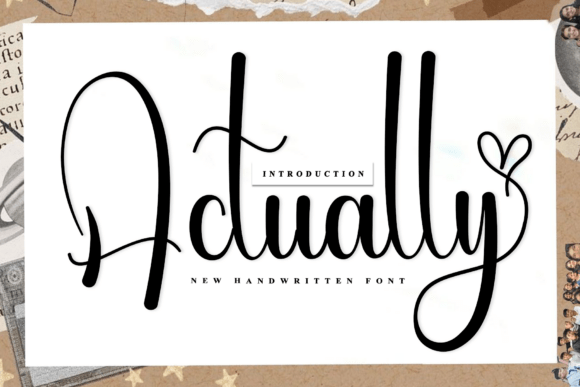
Bringing Playfulness to Life with the Lunchroom Script Font
Imagine a typeface that doesn't just sit on the page but actually moves. That is exactly what you get when you introduce Lunchroom into your design projects. This lovely script font features charming, playful characters that seem to dance along the baseline, instantly injecting a sense of joy and informality into whatever text you set it to. Unlike rigid serif fonts or stark sans-serifs, Lunchroom captures the energy of a handwritten note passed between friends or a chalkboard menu in a bustling cafe.
When you add this font to your most creative ideas, you will immediately notice how it makes them stand out. It transforms ordinary headlines into conversation starters and turns standard body text into something that feels personal and approachable. Whether you are designing for a local bakery, a children's book, or a quirky lifestyle blog, Lunchroom offers a unique visual voice that cuts through the noise of digital clutter.
Where Lunchroom Shines in Real-World Design
The true power of any typeface lies in its application. While some fonts are designed to be invisible, serving only as a vessel for information, Lunchroom demands attention. Its specific character set allows it to thrive in environments where personality is paramount. Here are several scenarios where this font becomes an essential tool rather than just an aesthetic choice.
- Culinary and Hospitality Branding: There is a reason why cafes and bistros love script fonts. When used for a restaurant logo or a daily special board, Lunchroom mimics the warmth of a chef writing the menu by hand. It suggests fresh ingredients and homemade care. A coffee shop named "The Daily Grind" using Lunchroom for its signage feels inviting and unpretentious, encouraging customers to stay longer.
- Event Invitations and Stationery: For weddings, birthday parties, or community gatherings, the tone of the invitation sets the stage. Lunchroom brings a whimsical touch that is perfect for casual celebrations. It works beautifully for wedding invitations that want to avoid stiff formality, suggesting a relaxed day filled with laughter and good food. The dancing baselines create a rhythm that guides the eye naturally down the card.
- Children's Content and Education: When communicating with kids, or creating materials for them, clarity and engagement go hand in hand. Lunchroom is excellent for storybooks, educational worksheets, or toy packaging. The playful nature of the letters helps capture a child's imagination without sacrificing readability. Teachers can use it to make learning materials feel less like homework and more like an adventure.
- Social Media Graphics and Blog Headers: In a feed dominated by polished corporate photography, a post featuring Lunchroom stands out immediately. It adds a human element to digital marketing. If you are a lifestyle influencer sharing recipes or DIY tips, using this font for your overlays creates a cohesive, friendly brand identity that resonates with followers looking for authentic connections.
Tailoring the Vibe: How Different Industries Benefit
Different audiences respond to different visual cues, and Lunchroom is versatile enough to adapt its "personality" depending on how it is styled. Understanding these nuances helps designers maximize the impact of their work.
For the creative arts sector, including graphic designers, illustrators, and photographers, Lunchroom serves as a perfect partner. These professionals often need to convey a sense of creativity and spontaneity. Using Lunchroom for portfolio headers or project titles signals that the work inside is innovative and outside the box. It bridges the gap between professional competence and artistic flair.
In the lifestyle and wellness industry, the font takes on a nurturing role. Yoga studios, organic skincare brands, and mental health apps often seek to reduce anxiety and promote calm. The soft curves of Lunchroom, combined with its handwritten feel, can soften the message of a brand. It suggests that the company cares about the individual experience, making complex services feel accessible and gentle.
Even in the tech and startup world, there is a place for this font. As technology becomes increasingly automated, companies strive to appear more human. A tech startup focusing on user-friendly apps or community-building platforms might use Lunchroom for their taglines or feature descriptions. This breaks down the barrier of cold code, reminding users that real people built the product and are here to help.
Practical Considerations Before You Type
While Lunchroom is undeniably charming, like any powerful tool, it requires thoughtful handling to ensure your designs remain effective. The goal is to enhance readability while maintaining that playful spirit.
Readability is Key: Because the characters dance and vary in height, they can sometimes be harder to read at very small sizes or in long blocks of text. It is best reserved for headlines, short phrases, logos, and pull quotes. If you attempt to write a 500-word article entirely in Lunchroom, the reader may struggle to follow the flow. Use it to highlight key points, not to carry the entire weight of your content.
Pairing Matters: To make Lunchroom shine, it needs a supportive partner. Since it is a display script, it pairs exceptionally well with clean, neutral sans-serif fonts like Helvetica, Open Sans, or Roboto. The contrast between the structured, simple body text and the lively Lunchroom headings creates a balanced composition. Avoid pairing it with other scripts or overly decorative fonts, as this can quickly become chaotic and overwhelming.
Tone Alignment: Always consider the context of your message. Lunchroom is inherently informal. Using it for a legal contract, a serious financial report, or a somber news headline would be inappropriate and could undermine the credibility of the information. Ensure the emotion of the font matches the intent of your communication. If you want to convey trust and authority, stick to more traditional typefaces. If you want to convey fun and friendliness, Lunchroom is your ally.
Maximizing Impact with Strategic Application
To truly get the most out of this font, think about how you can leverage its dynamic nature. One effective strategy is to use it for emphasis within a larger layout. Imagine a website for a travel agency; the main navigation can be clean and modern, but the destination names or blog post titles can utilize Lunchroom. This draws the eye specifically to the exciting parts of the site.
Another practical tip is to play with color and texture. The "handwritten" quality of Lunchroom looks even better when paired with warm colors like terracotta, mustard yellow, or soft teal. You can also layer it over textured backgrounds, such as paper grain or watercolor washes, to enhance the organic feel. However, ensure there is sufficient contrast so the text remains legible against busy backgrounds.
Remember that consistency builds recognition. Once you decide to incorporate Lunchroom into your brand identity, try to use it consistently across all touchpoints. Whether it is on business cards, email signatures, or social media stories, keeping the font usage consistent helps build a strong, memorable brand image. Over time, audiences will associate that specific "dance" of the letters with your unique voice.
Ultimately, Lunchroom is more than just a collection of glyphs; it is a way to bring a bit of humanity back into design. In a world saturated with digital perfection, the slight imperfections and lively movement of this font offer a refreshing change. By adding it to your most creative ideas, you allow your work to breathe, smile, and connect with people on a deeper level. Whether you are launching a new product, hosting a party, or simply trying to make your next blog post pop, let the characters of Lunchroom do the talking for you.