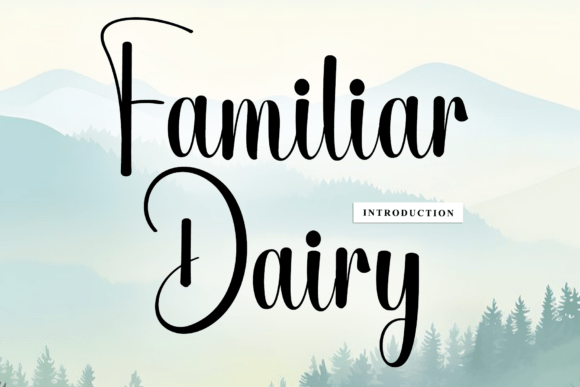
Navigating Artisanal Typography: A Deep Dive into Familiar Dairy
In the competitive landscape of modern branding, selecting the right typeface is rarely a matter of simple preference; it is a strategic decision that dictates how a product communicates its value. Among the diverse array of script fonts available today, Familiar Dairy has emerged as a sophisticated option for designers and brand managers seeking to convey warmth, authenticity, and handcrafted quality. This font distinguishes itself through a unique blend of calligraphic rhythm and organic structure, specifically tailored for contexts where human connection is paramount.
Understanding the specific nuances of Familiar Dairy requires looking beyond basic aesthetics to examine its functional application in high-stakes marketing environments. Whether evaluating packaging for boutique goods or designing editorial layouts for lifestyle publications, the choice of typography sets the tone before a single word is read. This analysis explores the distinct characteristics of Familiar Dairy, compares its utility against broader categories of script typography, and outlines the critical factors designers must consider when deciding if this asset fits their project requirements.
The Architecture of Organic Warmth
Familiar Dairy is defined by its ability to balance legibility with expressive flair. Unlike rigid, geometric sans-serifs or overly ornate Victorian scripts, this font occupies a middle ground that feels both curated and accessible. The most defining characteristic of the typeface is its use of sweeping, looping ascenders. These extended upward strokes are not merely decorative; they create a sense of movement and fluidity that mimics the natural motion of a brush or pen on paper.
This rhythmic quality gives the text an artisanal artistry that resonates strongly with consumers. In an era where digital uniformity often dominates visual communication, Familiar Dairy offers a tactile feel. It suggests that the content it displays was created by human hands, fostering a sense of trust and intimacy. The font's weight distribution and stroke variation are calibrated to ensure that these loops do not compromise readability, making it suitable for headlines and subheadings where impact is necessary but clarity remains essential.
The aesthetic is undeniably warm. By avoiding sharp angles and harsh contrasts, the letterforms evoke a feeling of comfort and nostalgia. This makes Familiar Dairy particularly effective for brands that want to position themselves as established yet approachable, blending a sense of heritage with contemporary design sensibilities.
Evaluating Fit: Branding and Packaging Applications
When considering where Familiar Dairy fits within a design system, the primary use cases revolve around artisanal food branding and boutique product packaging. For a small-batch coffee roaster, a local dairy, or an organic skincare line, the font serves as a visual shorthand for quality and care. The sweeping ascenders can be used to draw the eye across a package label, guiding the consumer's attention from the brand name to key selling points like "hand-picked" or "small batch."
In upscale lifestyle marketing, Familiar Dairy acts as a premium accent. When paired with clean, minimal body copy, the script font provides the necessary emotional hook without overwhelming the layout. It signals that the brand understands the finer details of presentation. However, this strength also presents a limitation: the font is best utilized in short bursts. Its density and stylistic flair make it less suitable for long-form body text, where a more neutral serif or sans-serif would maintain reader engagement over hundreds of words.
For creative editorial titles, the font offers a distinctive voice. Magazine covers or feature article headers can leverage the rhythmic nature of Familiar Dairy to create a memorable visual identity. The contrast between the organic script and structured editorial grids creates a dynamic tension that keeps the viewer engaged. Yet, designers must be mindful of the context; the font works best when the subject matter aligns with its warm, personal vibe. Using it for a tech review or a corporate financial report would likely result in a dissonant user experience.
Comparative Analysis: Script Styles and Alternatives
To make an informed decision about Familiar Dairy, it is helpful to compare it against other approaches to script typography. The market generally divides into three main categories: formal calligraphy, casual handwriting, and decorative display scripts.
- Formal Calligraphy: Fonts in this category mimic traditional ink pens with quills or broad nibs. They often feature high contrast between thick and thin lines and strict adherence to historical rules. While elegant, they can feel distant or overly formal for modern lifestyle brands. Familiar Dairy differs by softening these edges, prioritizing flow over strict adherence to classical forms.
- Casual Handwriting: These fonts aim to look like quick notes or sticky messages. They are highly legible and friendly but often lack the sophistication required for upscale positioning. If a brand needs to convey exclusivity or premium quality, a purely casual script may fall short. Familiar Dairy strikes a balance here, offering the friendliness of handwriting with the polish of a designed typeface.
- Decorative Display Scripts: These are highly stylized fonts designed for maximum visual impact, often sacrificing legibility for artistic effect. They are excellent for posters but risky for packaging where shelf space is limited. The looping ascenders of Familiar Dairy provide decoration without the clutter, maintaining a cleaner silhouette than many of its decorative counterparts.
When comparing Familiar Dairy to generic script libraries, the distinction lies in its consistency. Many free or low-cost script fonts suffer from irregular spacing or awkward ligatures that disrupt the reading rhythm. Familiar Dairy is engineered to maintain a steady beat, ensuring that the "customized" feel does not devolve into chaos. This reliability is a crucial factor for professional designers who need assets that perform consistently across various media, from digital screens to printed labels.
Strategic Tradeoffs and Decision Factors
Selecting Familiar Dairy involves weighing specific benefits against potential limitations. The primary advantage is the immediate establishment of an emotional connection. In a crowded marketplace, the organic aesthetic helps a product stand out by appearing authentic. The font's versatility allows it to bridge the gap between traditional craftsmanship and modern design trends, making it a safe yet stylish choice for evolving brands.
However, there are tradeoffs to consider. The strong personality of the font means it demands careful handling. It cannot be used as a background texture or a filler element; it must be given room to breathe. Overuse can lead to visual fatigue, diminishing the impact of the message. Furthermore, because of its specific stylistic traits, it may not pair well with all font families. Designers must test combinations thoroughly to ensure that the supporting typography complements rather than competes with the sweeping ascenders of Familiar Dairy.
Another consideration is the target audience. While adults aged 20–50 generally appreciate the nostalgic and artisanal cues provided by this font, younger demographics accustomed to ultra-modern, minimalist interfaces might find it slightly dated if not executed with contemporary spacing and layout techniques. Conversely, older audiences may respond very positively to the classic, handwritten appeal. Understanding the specific demographic nuances of the brand is essential before committing to this typeface.
When to Choose Familiar Dairy and When to Look Elsewhere
The decision to adopt Familiar Dairy should hinge on the core values the brand wishes to communicate. If the narrative revolves around heritage, manual labor, natural ingredients, or personalized service, this font is an excellent fit. It reinforces the story of the maker and the care put into the product. It is particularly effective for startups entering the artisanal food sector or established businesses launching a new premium line.
Conversely, there are scenarios where another option would be more appropriate. If the goal is to communicate speed, efficiency, or technological innovation, the organic loops of Familiar Dairy work against the message. Similarly, for industries requiring absolute neutrality and objectivity, such as legal services or medical devices, the emotional warmth of this script may undermine credibility. In these cases, a clean sans-serif or a more restrained serif would serve the communication goals better.
Ultimately, Familiar Dairy is a powerful tool for designers willing to embrace its specific strengths. It is not a one-size-fits-all solution, but for the right project, it offers a level of sophistication and warmth that is difficult to replicate with standard typefaces. By understanding its role in the broader typographic ecosystem and applying it with intention, creators can leverage its rhythmic beauty to build stronger, more resonant brand identities.
As you evaluate your next design project, consider whether the story you wish to tell requires the touch of a human hand. If the answer is yes, exploring the capabilities of Familiar Dairy could be the pivotal step in elevating your visual communication from ordinary to exceptional.