Building Manifasting: Integrating Artisanal Typography into Professional Workflows
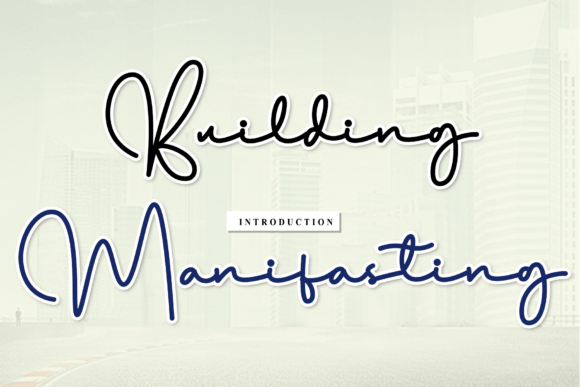
In the realm of visual communication, few elements carry as much weight as typography. It is not merely about selecting a font to fill space; it is about establishing a tone that resonates with an audience before a single word is read. Building Manifasting emerges as a sophisticated solution for professionals who require more than standard utility in their design assets. This script font balances a calligraphic style with a warm, organic aesthetic, distinguished by sweeping, looping ascenders that evoke customized, artisanal artistry.
For entrepreneurs, marketers, and creative directors, understanding where this typeface fits within a broader process is essential. Unlike rigid geometric sans-serifs designed for high-density data or technical manuals, Building Manifasting serves a specific strategic purpose. It is a premier choice for artisanal food branding, boutique product packaging, upscale lifestyle marketing, and creative editorial titles. Its integration requires a shift from purely functional thinking to an approach that values emotional connection and tactile perception.
Strategic Placement in the Design Process
Integrating Building Manifasting into a project workflow begins long before the final export. The decision to use this font should be made during the initial planning phase, specifically when defining the brand voice or the narrative arc of a campaign. Because its defining characteristic involves sweeping loops and organic curves, it naturally slows down the reader's eye movement. This creates a sense of intimacy and exclusivity that is difficult to achieve with blockier typefaces.
Consider the lifecycle of a product launch. Before production begins, the conceptualization stage demands clarity on the target demographic. If the goal is to position a product as handcrafted, premium, or heritage-driven, Building Manifasting acts as a visual anchor. It signals to the consumer that care was taken in the creation of the item. In contrast, using this font for a software interface or a financial report would likely create cognitive dissonance, undermining the perceived efficiency of the platform.
The font functions best when used as a headline or a focal point rather than for body text. Its complexity can hinder readability at smaller sizes or in long-form paragraphs. Therefore, a practical workflow involves pairing Building Manifasting with a clean, neutral sans-serif or a simple serif for supporting content. This hierarchy ensures that the artistic flair of the ascenders draws attention without sacrificing the legibility required for information delivery.
Pre-Project Preparation and Asset Management
Before implementing Building Manifasting in a live environment, preparation is key. Professionals must ensure they have the correct file formats available for their intended output. Whether the project involves digital screens, print media, or physical packaging, the font files need to be vetted for compatibility. For instance, web usage requires converting the font to web-safe formats like WOFF2 to maintain performance, while print production demands high-resolution vector files to capture the fine details of the loops.
Organization of these assets is often overlooked but critical for consistency. Creating a dedicated library or folder structure for "Brand Assets" that includes the full suite of Building Manifasting weights (if available) prevents version control issues. When multiple team members are working on a campaign, having a centralized repository ensures that everyone uses the same kerning pairs and glyph sets. This step is particularly important for small business owners and freelancers who may wear multiple hats and need to switch contexts rapidly between strategy and execution.
Application Across Diverse Industries
The versatility of Building Manifasting lies in its ability to convey warmth and sophistication simultaneously. However, its application varies significantly depending on the industry and the specific goals of the user.
- Artisanal Food Branding: For bakeries, craft breweries, or specialty coffee roasters, the font mirrors the handmade nature of the product. Placing the name of the establishment or the title of a limited-edition batch in Building Manifasting on packaging immediately communicates quality and tradition. The looping ascenders mimic the motion of pouring, kneading, or whisking, creating a subconscious link to the production process.
- Boutique Product Packaging: In the luxury goods sector, packaging is a primary touchpoint. Using this script for labels on skincare, jewelry, or fashion accessories elevates the unboxing experience. It transforms a generic container into a curated gift. The organic aesthetic suggests natural ingredients or ethically sourced materials, aligning with modern consumer values.
- Upscale Lifestyle Marketing: Digital campaigns for travel agencies, high-end real estate, or wellness retreats benefit from the font's elegance. When used in email headers or social media graphics, it cuts through the noise of flat, corporate designs. It invites the viewer to pause and engage with the message on a deeper level.
- Creative Editorial Titles: Magazines and blogs covering topics like interior design, culinary arts, or personal finance often struggle to balance authority with approachability. Building Manifasting provides the perfect bridge for feature story titles, allowing editors to maintain a professional stance while adding a touch of personality.
Integration with Existing Tools and Platforms
Implementing Building Manifasting into existing workflows requires attention to compatibility across various software ecosystems. Most modern design platforms like Adobe Creative Cloud, Canva, and Affinity support custom font uploads, making integration straightforward. However, users must verify that the font renders correctly on different operating systems and browsers, especially if the design is being shared via PDF or viewed on mobile devices.
For developers and web designers, embedding the font requires careful consideration of loading times. Large script files can impact page speed if not optimized. A practical approach involves using CSS font-display properties to manage how the text appears while the font loads, ensuring that the layout does not shift unexpectedly. This attention to technical detail reflects a commitment to quality control, a trait essential for any professional delivering client work.
Furthermore, collaboration tools like Slack, Figma, or Trello should be utilized to share design mockups early in the process. By including screenshots of the text rendered in Building Manifasting, stakeholders can provide feedback on the tone and feel before significant resources are committed to production. This iterative process helps refine the visual identity and ensures the font supports the overarching business goals.
Optimizing for Usability and Consistency
While the artistic merit of Building Manifasting is undeniable, usability remains the ultimate metric of success. A beautiful font that frustrates the reader is a failure. To mitigate this, creators should adhere to strict guidelines regarding size, color contrast, and spacing.
Contrast is particularly vital. The sweeping loops of the ascenders and descenders can create complex negative spaces. Ensuring sufficient contrast between the text and the background prevents the letters from blurring together, which is a common issue with decorative fonts. Darker backgrounds with lighter text or vice versa usually yield the best results.
Spacing, or tracking, also plays a crucial role. Script fonts often require slightly wider tracking than block fonts to allow the loops to breathe. Tightening the spacing too much can cause the strokes to merge, destroying the organic feel. Conversely, excessive spacing can break the rhythm of the words. Finding the right balance is an exercise in trial and error, often requiring the designer to zoom out and view the text at actual size to gauge its effectiveness.
Consistency over time is another factor that determines long-term success. Once Building Manifasting is selected as a core element of a brand identity, it should be applied consistently across all touchpoints. From business cards to website headers, the font establishes a recognizable pattern. Deviating from this pattern with unrelated typefaces can dilute the brand message and confuse the audience. Maintaining a style guide that documents the proper usage of Building Manifasting ensures that future iterations of the brand remain cohesive.
Long-Term Value and Adaptability
Investing in a unique typeface like Building Manifasting is a strategic decision that pays dividends over time. In a market saturated with generic templates, a custom-feeling script stands out. It allows brands to differentiate themselves without relying solely on imagery or slogans. The organic aesthetic appeals to consumers who are increasingly seeking authenticity and human connection in their purchasing decisions.
Moreover, the adaptability of the font means it can evolve alongside a business. As a company expands from a local bakery to a national chain, or from a blog to a full-scale e-commerce platform, Building Manifasting can serve as a constant thread that ties the new initiatives back to the original vision. It provides a sense of continuity that reassures customers and builds trust.
For educators and content creators, utilizing this font in course materials or newsletters can enhance the learning experience. It adds a layer of polish and professionalism that encourages engagement. Similarly, for hobbyists and DIY enthusiasts, incorporating Building Manifasting into personal projects—such as wedding invitations, scrapbooks, or home decor—allows them to express their creativity with a tool that feels both accessible and refined.