Barland: Integrating Handcrafted Typography into Modern Creative Workflows
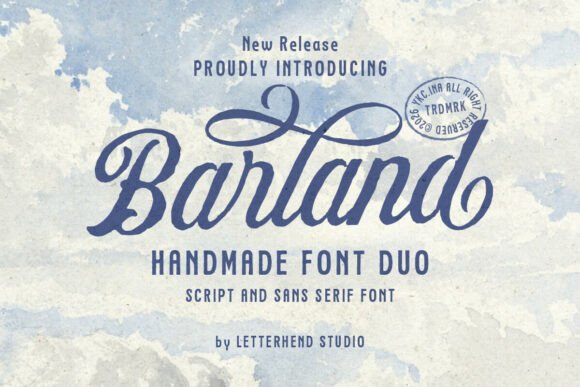
In an era where digital design often defaults to sterile perfection and algorithmic uniformity, the return to handcrafted aesthetics offers a distinct competitive advantage. Barland represents more than just a font family; it is a strategic asset for professionals seeking to inject authenticity into their visual communication. As a script and sans pairing inspired by classic sign painting and vintage print textures, Barland bridges the gap between nostalgic charm and contemporary clarity. For entrepreneurs, marketers, and creators aged 20 to 50, understanding how to integrate this typeface into existing workflows can significantly elevate brand perception without disrupting operational efficiency.
The Role of Barland in Visual Strategy
Before diving into technical implementation, it is essential to understand where Barland fits within the broader creative process. Most modern design systems rely on grid-based layouts and geometric precision. While effective for data-heavy interfaces, these systems can sometimes fail to convey warmth or human connection. Barland addresses this gap by introducing organic elements—flowing strokes, soft curves, and subtle rough details—that mimic the imperfections of physical media.
The pairing itself is engineered for versatility. The script component provides the emotional hook, drawing the viewer in with a friendly retro character reminiscent of early 20th-century storefronts. Meanwhile, the clean sans-serif counterpart balances the composition, ensuring that complex information remains legible and structured. This duality allows designers to maintain professional standards while achieving a timeless handmade touch. Whether you are launching a new product line or rebranding an established service, Barland serves as a tool to signal quality and heritage instantly.
Pre-Project Planning and Asset Selection
Integration begins long before the first letter is drawn on a canvas. During the planning phase, selecting the right typographic voice is a critical decision that influences the entire project trajectory. When evaluating Barland for a specific campaign, consider the following factors regarding preparation and compatibility:
- Brand Alignment: Does your current visual identity support a vintage aesthetic? If not, Barland can serve as a bridge to introduce warmth gradually without alienating your core audience.
- Medium Considerations: Evaluate where the text will live. The script's flowing strokes work exceptionally well for large-format applications like posters and signage, whereas the sans version excels in dense environments such as packaging labels and social media graphics.
- Asset Organization: Before starting production, organize your font files. Ensure you have access to both the script and sans variants to allow for rapid iteration during the design sprints.
Making these decisions upfront prevents costly revisions later. By confirming that Barland aligns with your project goals early on, you streamline the approval process with stakeholders who may be hesitant about non-standard typography.
Implementation Across Diverse Workflows
The true value of Barland lies in its adaptability across various stages of a project lifecycle. It is not merely a decorative element but a functional component that interacts with other tools and resources in a practical workflow.
Logo Design and Brand Identity
For freelancers and small business owners crafting logos, Barland offers a shortcut to establishing a unique identity. Instead of relying on generic templates, the script features provide a custom look that feels bespoke. When constructing a logo, use the script for the primary mark to capture attention, then utilize the sans variant for taglines or secondary information. This hierarchy ensures the logo remains scalable from a favicon to a billboard.
To maintain consistency across all branding materials, create a style guide that defines the specific usage rules for Barland. Specify kerning adjustments for the script, as the flowing strokes require careful spacing to prevent visual clutter. Documenting these rules ensures that anyone working on the brand—from internal teams to external agencies—maintains the intended aesthetic integrity.
Packaging and Product Labels
In the retail sector, shelf presence is everything. Packaging text needs to communicate trust and craftsmanship immediately. Barland's vintage print textures evoke a sense of artisanal quality that resonates with consumers looking for authentic products. When designing labels, leverage the high contrast between the script and sans fonts to separate the product name from ingredients or instructions.
This approach enhances readability while maintaining a premium feel. For example, a coffee roaster might use the script for "Artisan Roast" and the sans for "100% Arabica Beans." The result is a label that looks hand-painted yet remains professionally structured. This combination supports marketing narratives focused on sustainability and traditional methods, which are increasingly important to the target demographic.
Digital Content and Social Media
Social media graphics often suffer from visual fatigue due to repetitive, flat designs. Barland introduces texture and depth that stand out in crowded feeds. However, integrating script fonts into digital workflows requires technical foresight. Unlike standard web fonts, scripts often contain ligatures and alternate characters that must be activated correctly to function as intended.
When preparing assets for platforms like Instagram or LinkedIn, ensure the resolution is optimized for screen display. The subtle rough details of Barland can sometimes blur if scaled too small or exported at low DPI. Use vector formats (SVG) for maximum flexibility when possible, allowing the curves to remain crisp regardless of device size. For static images, export at 72 PPI minimum, but prefer 144 PPI for Retina displays to preserve the delicate textures.
Collaboration and Quality Control
Design rarely happens in isolation. Barland interacts with people, processes, and platforms throughout the execution phase. In collaborative environments, clear communication regarding font usage is vital to avoid inconsistencies. If a team member uses a default system font instead of Barland, the brand message becomes diluted.
To mitigate this risk, implement a centralized asset management system. Cloud storage solutions can host the Barland files, ensuring that everyone accesses the latest version. Additionally, establish a review process specifically for typographic elements. During quality control checks, verify that the script does not overpower the content or compromise accessibility. The goal is to enhance the user experience, not distract from it.
- Standardize Usage: Create a checklist for designers that includes specific scenarios for using the script versus the sans.
- Test Accessibility: Ensure sufficient color contrast between the text and background, especially when using the lighter weights of the script.
- Monitor Performance: If embedding Barland on a website, check load times. Large font files can impact page speed, so optimize them using compression tools.
These steps ensure that the aesthetic benefits of Barland do not come at the cost of usability or performance. By treating typography as a core component of the workflow rather than an afterthought, teams can deliver higher-quality outputs consistently.
Long-Term Viability and Adaptation
Investing in a typeface like Barland is a long-term decision. Trends shift rapidly, but the appeal of handcrafted design has shown remarkable staying power. The key to longevity is flexibility. As your projects evolve, Barland should be able to grow with you. Its neutral yet expressive nature allows it to fit into seasonal campaigns, permanent branding, and experimental projects alike.
Furthermore, the pairing structure means you are never locked into a single look. You can lean heavily into the script for a holiday promotion or revert to the clean sans for corporate reports. This adaptability makes Barland a robust choice for professionals who need to pivot quickly without losing their visual identity. By mastering the nuances of this font pair, creators can produce work that feels both timely and timeless, effectively communicating value in a saturated market.
Ultimately, the integration of Barland into your daily routine transforms the way you approach design problems. It encourages a mindset that values character over conformity and substance over superficiality. Whether you are a solo entrepreneur managing a startup or part of a larger agency team, adopting this tool can streamline your creative process and elevate the final outcome. The result is a body of work that not only looks exceptional but also resonates deeply with the human desire for connection and authenticity.