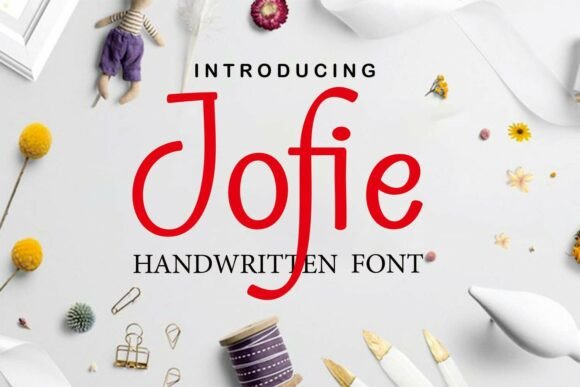
Jofie: Elevating Your Design Workflow with Delicate Elegance
In the fast-paced environment of modern creative work, the difference between a functional design and a memorable one often lies in the subtle details. For professionals, entrepreneurs, and creators aged 20 to 50, the choice of typography is rarely just an aesthetic preference; it is a strategic decision that influences user perception, brand authority, and overall project quality. This is where Jofie enters the picture. As a lovely and delicate script font, Jofie exudes elegance and class, offering a refreshing look that transforms standard layouts into sophisticated experiences.
However, integrating a specialized typeface like Jofie requires more than simply selecting it from a dropdown menu. It demands a thoughtful approach to planning, execution, and workflow integration. Whether you are a marketer crafting a campaign, an educator designing course materials, or a small business owner finalizing branding assets, understanding how to utilize this font effectively ensures your designs communicate the right message without compromising readability or efficiency.
The Role of Jofie in the Creative Process
To understand where Jofie fits, we must first look at the broader context of the design process. Typography acts as the voice of your visual content. While sans-serif fonts often convey clarity and modernity, and serif fonts suggest tradition and reliability, script fonts like Jofie bring a human touch. They mimic the fluidity of handwriting, adding personality and warmth to digital and print media.
This font was particularly crafted for those who need a beautiful and refreshing look to their designs. Unlike rigid geometric scripts that can feel forced, Jofie offers a natural flow that feels organic. In a professional workflow, this characteristic is invaluable during the conceptualization phase. When brainstorming ideas for a wedding invitation, a luxury product label, or a personal blog header, designers often struggle to find a balance between style and substance. Jofie resolves this tension by providing a high-end aesthetic that does not overwhelm the viewer.
Consider the lifecycle of a marketing campaign. During the initial planning stages, the team might select Jofie to define the emotional tone of the project. Once the concept is approved, the font moves into the production phase. Here, its versatility becomes apparent. It can be used for headlines to capture attention, or for pull quotes to add emphasis. The key is recognizing that Jofie is not a utility font for body text; it is a statement piece that requires careful placement within the hierarchy of information.
Strategic Placement Before, During, and After Execution
Effective implementation of Jofie spans the entire duration of a project, from the initial brief to the final delivery. Before a project begins, the preparation phase involves defining the scope of the design. If the goal is to create a sense of intimacy or exclusivity, Jofie should be included in the mood board immediately. This early integration helps align the team's vision and prevents costly revisions later when stakeholders realize the chosen typography does not match the intended brand voice.
During the execution phase, the focus shifts to technical compatibility and consistency. Modern workflows often involve multiple tools, such as Adobe Creative Cloud, Canva, Figma, or web-based editors like WordPress and Squarespace. Jofie must be compatible with these platforms to ensure a smooth transition from design to deployment. Professionals should verify that the font files are correctly installed or linked before starting the actual layout work. This step prevents last-minute disruptions and maintains the integrity of the design system.
After the project is complete, the long-term use of Jofie becomes relevant for brand consistency. If a logo or a specific campaign element uses this font, it should be documented in the brand guidelines. Future projects can then reference these assets, ensuring that the elegant character of Jofie remains a recognizable part of the brand identity over time. This organizational discipline is crucial for freelancers and agencies managing multiple clients, as it streamlines the onboarding process for new team members.
Integrating Jofie with Other Tools and Resources
No designer works in isolation. The success of a project often depends on how well different elements interact. Jofie interacts with other design resources in specific ways that require attention to detail. For instance, pairing a delicate script font with heavy, bold imagery can create a striking contrast, while pairing it with minimalist photography can enhance its graceful curves.
- Compatibility with Layouts: Because Jofie has varying stroke widths and flourishes, it requires ample white space. When integrating this font into a grid-based system, designers must adjust margins and padding to prevent visual clutter. A crowded layout will make the delicate lines of Jofie difficult to read, undermining the elegance it is meant to provide.
- Interaction with Color Palettes: The color selection plays a pivotal role in how Jofie is perceived. High-contrast combinations, such as deep navy on cream or charcoal on white, tend to maximize readability while maintaining sophistication. Conversely, low-contrast pairings may cause the font to disappear, which is a common pitfall in accessibility-conscious design.
- Collaboration with Developers: For web projects, the integration of Jofie requires coordination with developers. Using web font services like Google Fonts or Typekit ensures that the font renders correctly across different devices. Developers need to know if the font is being used for headings only or if it requires special kerning adjustments to maintain the intended spacing between characters.
Furthermore, educators and bloggers often use Jofie to differentiate their content. By using this font for section headers or callout boxes, they can guide the reader's eye through the material without breaking the flow of reading. This interaction between typography and content structure is essential for maintaining engagement in long-form articles or instructional guides.
Practical Implementation Tips for Efficiency
For productivity-minded users, the goal is to achieve high-quality results without unnecessary friction. Implementing Jofie efficiently involves several practical steps that can be incorporated into any routine.
- Asset Organization: Create a dedicated folder for Jofie files. Store the regular, italic, and bold variants (if available) together. Label them clearly to avoid confusion during busy workdays. This simple organizational habit saves time and reduces errors.
- Quality Control Checks: Always preview your designs at actual size before finalizing. Script fonts can sometimes appear distorted when scaled down too small. Check legibility on mobile screens, as this is where many users will encounter your content. Ensure that the delicate strokes remain distinct even on smaller displays.
- Consistency Standards: Establish rules for usage. Decide whether Jofie will be used for all titles, only for specific sections, or exclusively for logos. Consistency builds trust with your audience. If you switch between Jofie and other scripts randomly, the design will feel disjointed and unprofessional.
- Accessibility Considerations: Remember that elegance should not come at the cost of accessibility. Ensure that the text size is large enough and the contrast ratio meets WCAG standards. This is particularly important for professionals serving diverse audiences, including those with visual impairments.
By following these guidelines, you can integrate Jofie into your workflow seamlessly. The font becomes a reliable tool rather than a source of frustration. Whether you are a freelancer pitching a proposal or a business owner launching a new product line, the ability to execute a polished design quickly is a significant competitive advantage.
Long-Term Value and Adaptability
The true value of Jofie extends beyond a single project. As a versatile asset, it adapts to various contexts and evolving trends. In an era where digital noise is constant, a design that stands out through refined typography captures attention more effectively. Jofie provides a timeless quality that resists fleeting fads, making it a smart investment for long-term branding strategies.
For hobbyists and small business owners, this adaptability means less reinvention. You can use Jofie for social media graphics, email newsletters, printed stationery, and website headers. This cross-platform consistency reinforces brand recognition and simplifies the creation process. Instead of searching for a new font for every new task, you have a trusted resource ready to go.
Ultimately, the decision to use Jofie is a decision to prioritize quality and intentionality. It signals to your audience that you care about the details. In a world of mass-produced content, a lovely and delicate script font like Jofie offers a refreshing look that speaks volumes about the creator's dedication to excellence. By understanding its place in the workflow and implementing it with care, you unlock the full potential of this elegant typeface.
Whether you are refining a business plan, creating educational content, or designing a personal portfolio, Jofie serves as a powerful ally. It bridges the gap between functionality and artistry, ensuring that your work not only informs but also inspires. As you move forward with your next project, consider how this font can elevate your narrative and leave a lasting impression on your audience.